How to Manage Drywall Repair: A Homeowner's Guide
- Jarred Call
- Dec 5, 2025
- 3 min read
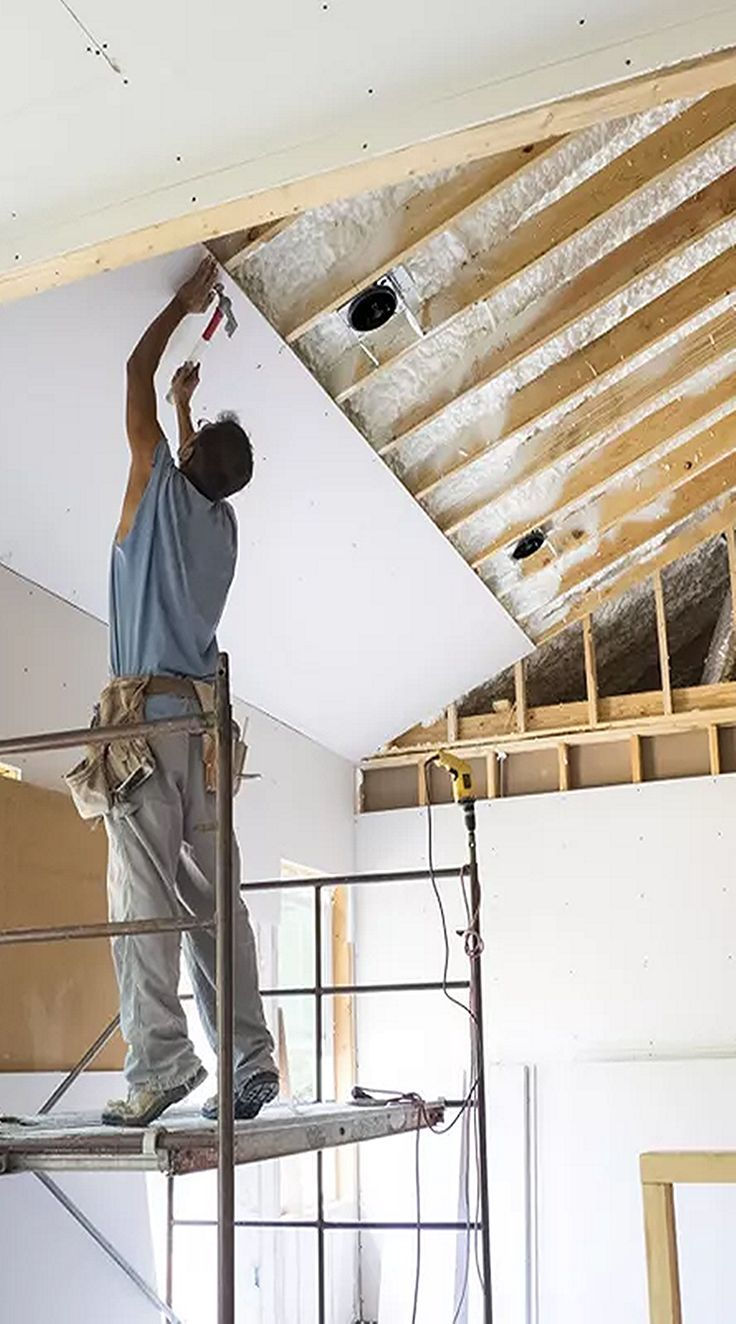
At some stage, every owner of a home will encounter the problem: an indentation, pockmark or crack in drywall.
And the good thing? Most repairs to drywalls are easier to do than one would think about them — while fixing them now prevents bigger complications later on.
Here is what you need to know about making drywall repairs and when to do it yourself or call a specialist.
______________________________
Common Causes of Drywall Damage
Before we dive into repairs it's helpful to know what causes the damage in the first place:
Accidental impacts: Furniture bumps, kids playing around, or even door handles can make dents or holes.
Water damage: Leaks from roofs, pipes, or windows can soften and damage your drywall.
Settling cracks: As your house naturally settles with time, small cracks may form along walls or ceilings.
Nail pops: Nails or screws can push drywall when there is a humidity and temperature change.
Knowing what caused the damage enables you to make the repair and also ensure that it doesn't happen again.
Basic Tools and Materials Needed for Drywall Repair
You don't need much to repair an average drywall issue. Here is what you should start with:
Drywall patch or mesh tape (for large holes)
Spackling compound or joint compound
Putty knife or drywall knife
Sandpaper (fine-grit)
Primer and paint
Utility knife
How to Fix Tiny Holes and Dents
For holes the size of a quarter or even smaller dents, do this:
Clean Up the Area:
Sweep off dust and other loose debris.
Apply Spackle:
Use a putty knife to spread the spackle across the hole and smooth it out.
Let it Dry:
This will depend on the product and usually takes just a few hours.
Sand Smooth:
Lightly sand the area until it's flush with the wall surface.
Prime and Paint:
Prime first to prevent flashing (where the patch is visible through the paint), then paint to match.
How to Repair Medium Holes (Up to a Few Inches)
If the hole is bigger (like from a doorknob or more forceful impact):
Use a Mesh Patch:
Apply a self-adhesive drywall patch to the hole.
Cover with Joint Compound:
Apply a thin layer on top of the patch, feathering out the edges to blend with the wall.
Let It Dry and Sand:
Sand lightly when dry and apply a second coat if needed.
Prime and Paint
Then once smooth, paint and prime for a perfect finish.
How to Repair Big Holes (Larger Than 6 Inches)
To repair larger holes, it's a bit more involved:
Cut a Square Around the Hole:
Cut a square, clean hole using a utility knife.
Cut a Drywall Patch:
Cut a piece of drywall just a hair smaller than the hole to snugly fit into it.
Secure the Patch:
Screw the patch to wall studs or fasten wood strips behind the wall to secure it.
Tape the Seams:
Cover the seams of the patch with drywall tape.
Apply Joint Compound:
Put a layer of joint compound on top of the tape and patch. Let it dry, sand, and repeat as needed to blend into the surrounding area.
Prime and Paint:
Prime and paint with the correct paint color to match the repair to the wall.
______________________________
When to Call a Pro
Not all drywall damage is DIY-friendly.
You should consider hiring a professional when:
There’s significant water damage (the drywall could be harboring mold).
The wall has structural cracks (may indicate bigger issues like foundation problems).
You need to match complex textures (like knockdown, orange peel, or custom wall finishes).
You’re prepping your home for sale and want a flawless finish.
At Alpine Home Repairs, we provide fast, clean drywall repairs that restore your walls to better-than-new condition — no sanding mess, no paint mismatch.
______________________________
Damage to drywall is normal — but it's also very fixable.
Repairing minor repairs earlier keeps your home looking its best and prevents more expensive repairs later.
Need help with drywall repair in Colorado's Front Range?
👉 Call Alpine Home Repairs today for a quick, professional repair!


Comments